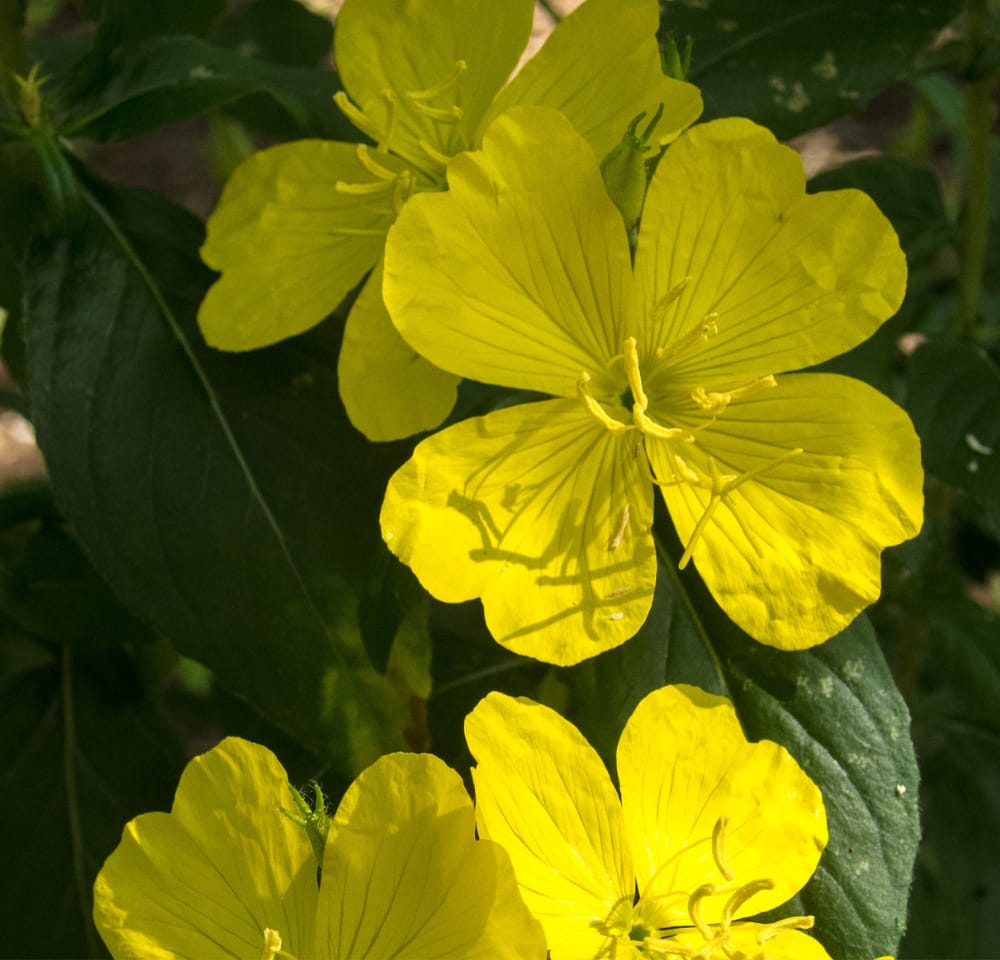
Evening Primrose: The Golden Oil for Skin and Hormonal Balance
By Arash Bozorgmehr
What is Evening Primrose?
Evening primrose (Oenothera biennis), sometimes called king’s cure-all, sundrop, or night willow-herb, belongs to the Onagraceae family and grows as a tall biennial herb. Originating in North America - from Newfoundland down to Florida and stretching west toward the Rockies - it now also spreads widely through Europe and some regions of Asia.
During its initial growth phase, it develops a compact cluster of narrow, lance-like leaves near the ground. By the following season, it rises 1–2 meters high, bearing vivid yellow blooms with four petals that unfold solely at sunset yet vanish before midday while giving off a gentle fragrance meant to lure nocturnal moths.
Harvesters collect both the sizable light-colored root and the mature seed pods - these seeds hold about 25% oil packed with gamma-linolenic acid (GLA). It prefers arid, sandy earth conditions; typically found beside roadways or on land recently disrupted.
Potential Benefits of Evening Primrose: Centuries of Traditional Use
Indigenous groups made use of each section of the plant - nothing went unused.
The root got boiled, then consumed as a nourishing veggie; meanwhile, the leaves were applied on bruises or irritated skin using direct wraps.
Some Native groups like the Cherokee made tea from the full plant - helping ease stress plus support metabolism shifts. Colonists later called it "king’s remedy," rubbing its seed oil onto cuts or inflamed patches.
Come the 1600s, UK herbal guides included it to assist women with cycle troubles and change-of-life symptoms.
Today, herbal experts use it by mouth to steady hormones during PMS or discomfort from endo, also apply outside for flaky skin, rashes, or swelling.
Evening Primrose in Medicine: What the Science Truly Says
Evening primrose oil has broad clinical backing, mostly due to rich levels of gamma-linolenic acid - known as GLA - a type of omega-6 fat transformed by the body into inflammation-fighting prostaglandins.
Good trials suggest fair improvement for atopic eczema - according to a 2013 Cochrane analysis, taking EPO for 8–12 weeks (delivering 320–480 mg GLA per day) notably eased itching, redness, and flaking when set against dummy treatment; yet outcomes differ.
Separate controlled research indicates slight easing of PMS (Premenstrual Syndrome) signs like sore breasts, emotional shifts, swelling - notably during menstrual cycles - as well as some relief from hot flushes after menopause.
For migraine relief and anti-inflammatory support, see Feverfew.
Data on rheumatoid arthritis remains unclear - certain tests report less stiffness upon waking and lower joint discomfort, while additional ones detect no real change versus inactive pills.
Applied directly, EPO (erythropoietin) may quicken recovery in mild injuries or irritated skin areas, based on limited trial work. Major studies show little gain for nerve issues in diabetes, attention disorders, or ongoing tiredness.
In general, erythropoietin might help skin inflammation and monthly mood shifts - though proof drops off when it comes to other conditions.
How Much Evening Primrose Should You Take?
Standardized EPO pills have around 8 to 10 percent GLA; levels may differ slightly between brands.
For eczema or everyday use: take 500–1,300 mg EPO - giving 40–130 mg GLA - with food twice or thrice a day for no less than 8 to 12 weeks.
When dealing with PMS or menopause signs: start with 500–1,000 mg EPO (that’s 40–100 mg GLA) each day; sometimes raised up to 3,000 mg in the latter part of the menstrual phase.
As skin treatment: use pure oil directly or mix into lotions multiple times per day. Kids above age 2: give 250–500 mg every day, but only if approved by a doctor. Noticeable benefits usually show after sticking to it for about 2 to 4 months.
You can plant evening primrose seeds and create your own heavenly backyard pharmacy. Get your hands on a kit of 10 medicinal herbal seeds and boost the health of you and your loved ones today!
Who Should Avoid Evening Primrose?
People who have trouble with blood clotting or take medications like warfarin, aspirin, or clopidogrel need to be careful - EPO might raise the chance of bleeding.
For those dealing with epilepsy or seizures, it’s better to skip EPO; a few cases show high doses could make seizures more likely, particularly alongside phenothiazine drugs.
During pregnancy, medical-level intake isn't advised because it may stimulate the uterus; however, normal dietary levels are considered okay.
If surgery is planned, stop using it no later than fourteen days before, given possible issues with bleeding.
Side Effects and Interactions of Evening Primrose
Side effects happen seldom, yet they’re usually light - like headaches now and then, feeling nauseous, discomfort in the stomach, or soft bowel movements. In contrast, allergic responses occur very infrequently.
It might extend bleeding duration if taken alongside anticoagulants.
In people prone to seizures, it could reduce resistance, particularly while using some mental health drugs. There are no major effects noted when used with birth control pills or hormonal treatments.
Key Takeaways
Evening primrose (Oenothera biennis) blooms at twilight; its seeds hold oil packed with gamma-linolenic acid.
While research suggests it may help soothe eczema, results are mild yet measurable.
It might also ease PMS or menopause discomfort over time. Studies confirm small improvements - typically seen after two to four months of regular intake.
Most adults can use it safely; however, people on blood thinners should watch for bleeding.
Those with epilepsy need to consider possible seizures. It’s best avoided before operations or while pregnant.
If eczema doesn’t improve easily, this supplement might help.
Cyclical breast discomfort may respond over time. Hot flashes interfering with everyday activities could lessen.
Evening primrose oil is backed by research and carries few risks. Stay regular with doses, though outcomes take time.