Echinacea: The Purple Coneflower for Immune Support
By Arash Bozorgmehr
What is Echinacea?
Echinacea - mainly E. purpurea, E. angustifolia, and E. pallida - is often called purple coneflower or black sampson; some refer to it as Kansas snakeroot. This strong, lasting plant belongs to the daisy family, scientifically named Asteraceae.
Found naturally across central and eastern parts of North America, it thrives without help in grasslands and light forests stretching from Georgia up to Saskatchewan.
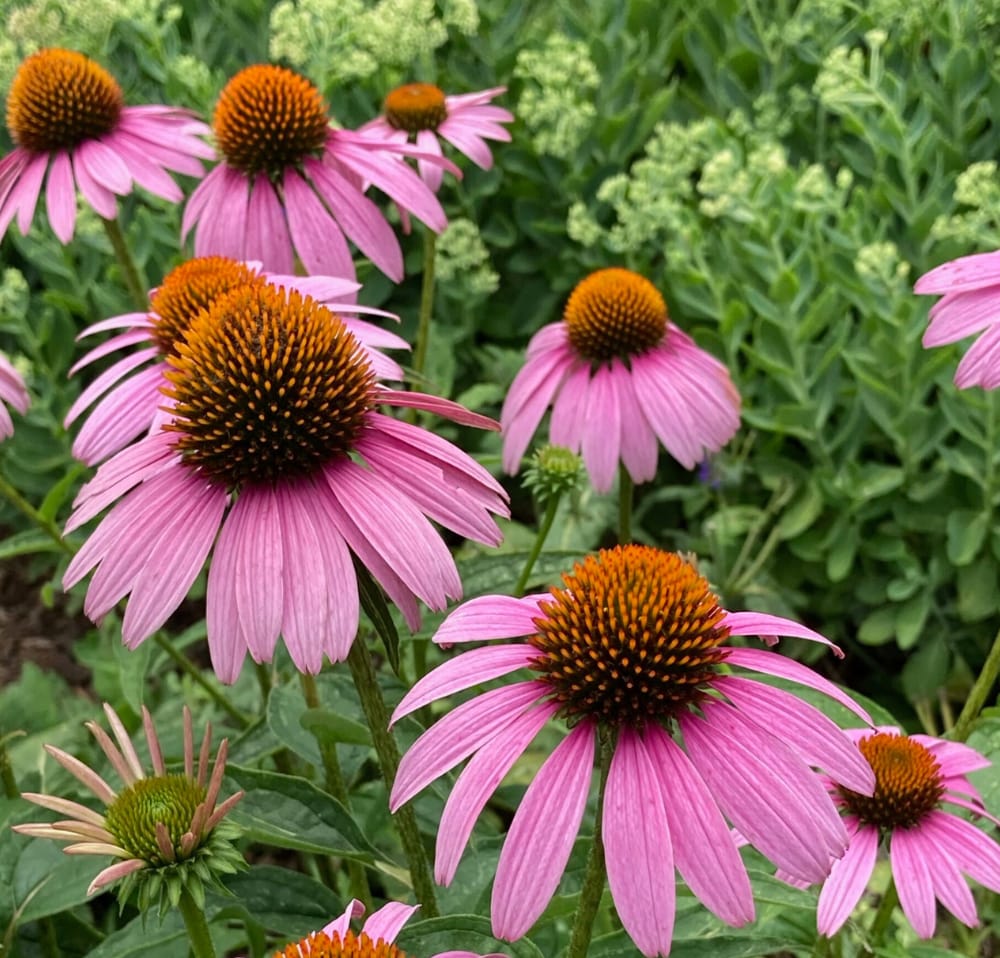
Standing between 50 and 150 centimeters high, its stem is coarse and covered in fine hairs. The leaves are narrow, shaped like lances, while the flowers stand out clearly, topped with vivid pinkish-purple petals that bend downward. At the center sits a bristly cone, typically brown-orange in color.
Blooming begins in early summer, lasts through fall, drawing in pollinators such as bees along with various butterfly species.
The roots - mainly from E. angustifolia - and the upper plant parts, particularly of E. purpurea, are collected separately: root harvesting happens in fall once plants reach 3 to 4 years; flowers are taken during full bloom.
The term originates from the Greek word “echinos,” meaning hedgehog, referring to the spiky central disk.
Potential Benefits of Echinacea: Centuries of Traditional Use
Native American groups - particularly those on the plains - relied upon echinacea for more than four centuries prior to encountering Europeans.
The Lakota, Cheyenne, along with the Kiowa used the root by chewing it or preparing strong teas to ease tooth pain, throat discomfort, and snakebite effects.
Fresh root mixtures were placed on injuries, burns, or infected areas due to their cleansing qualities; meanwhile, infused drinks helped during colds, flu episodes, while also supporting blood health and body defenses. In the late 1800s, early Eclectic doctors in America began favoring this plant for treating respiratory inflammation, severe sore throats, and bloodstream infections.
During the 1920s, it became the top-selling herbal medicine across the U.S., taken orally to boost immunity or applied outside the body to treat skin swellings, pus-filled sores, plus bug-related irritation.
Echinacea in Medicine: What the Science Truly Says
Studies into echinacea are broad yet inconsistent.
Randomized high-quality trials suggest E. purpurea juice - particularly when taken early - may shorten upper respiratory infections by roughly 1–2 days; it also appears to cut cold risk by 10–20%. Certain compounds like alkylamides, polysaccharides, and caffeic acids boost macrophage function and stimulate cytokines in lab settings.
In minor research projects, skin creams with echinacea show healing traits alongside reduced inflammation. Still, several studies showing no benefit used weak doses or inconsistent formulations, which might explain mixed outcomes.
For treating skin inflammation and Eczema see Evening Primrose.
A 2014 Cochrane analysis found slight advantages if potent formulations are applied promptly; however, no solid proof shows echinacea stops colds in well individuals over extended periods.
Likewise, there’s little backing for its use in autoimmune conditions, tumours, or persistent infections.
You can plant echinacea seeds and create your own heavenly backyard pharmacy. Get your hands on a kit of 10 medicinal herbal seeds and boost the health of you and your loved ones today!
How Much Echinacea Should You Take?
Dosing relies greatly on how it's prepared and the type used; only uniform items deliver reliable results.
Fresh E. purpurea juice (like pressed Echinacea purpurea herb): take 6–9 mL per day when signs start, split across 2 or 3 intakes.
Dried root tea: use 1–2 g every eight hours. For pills with set levels (4% phenolics or 0.2–0.5% alkylamides), go for 300–500 mg thrice a day, but no more than ten days.
Alcohol-based tincture (1 part herb to 5 parts liquid, 45–60% strength): apply 2–4 mL three times each day. Begin right after noticing cold signals; stop by day 10 - going longer could weaken results.
Who Should Avoid Echinacea?
Individuals sensitive to plants like ragweed or marigolds might react with symptoms from slight skin irritation up to severe allergic responses.
People diagnosed with lupus or similar disorders are advised against use because of potential effects on immune activity.
Patients using medications that lower immunity need medical advice before taking this herb.
There isn't enough proof about safety during pregnancy or lactation, so guidance from a healthcare provider is essential.
Anyone preparing for surgical procedures ought to discontinue echinacea usage at least fourteen days ahead to prevent complications related to immune function.
Side Effects and Interactions of Echinacea
Side effects occur rarely - such as slight digestive discomfort, queasiness, or a bitter sensation when taking large amounts; however, allergies pose the main risk.
It could possibly affect medications that reduce immunity, like cyclosporine or tacrolimus.
There’s no strong evidence of issues with antibacterial or antiviral treatments. Using it briefly - no more than ten days - is generally fine for many grown-ups.
Key Takeaways
Echinacea, that well-known purple flower, was traditionally applied by Indigenous peoples along with pioneer physicians to tackle colds, boost immunity, or clean injuries.
Current studies suggest slight yet noticeable effects in shortening both duration and intensity of respiratory illnesses - provided treatment begins promptly using reliable extracts, particularly liquid from fresh E. purpurea plants.
It doesn't consistently stop colds, also offers little benefit over time or during severe infections.
Main dangers include allergic reactions in those sensitive to ragweed, along with possible issues if you have an autoimmune disorder.
At the first sign of illness, using a trusted echinacea brand briefly can still be a sensible option based on research - yet manage expectations and discontinue use within ten days.