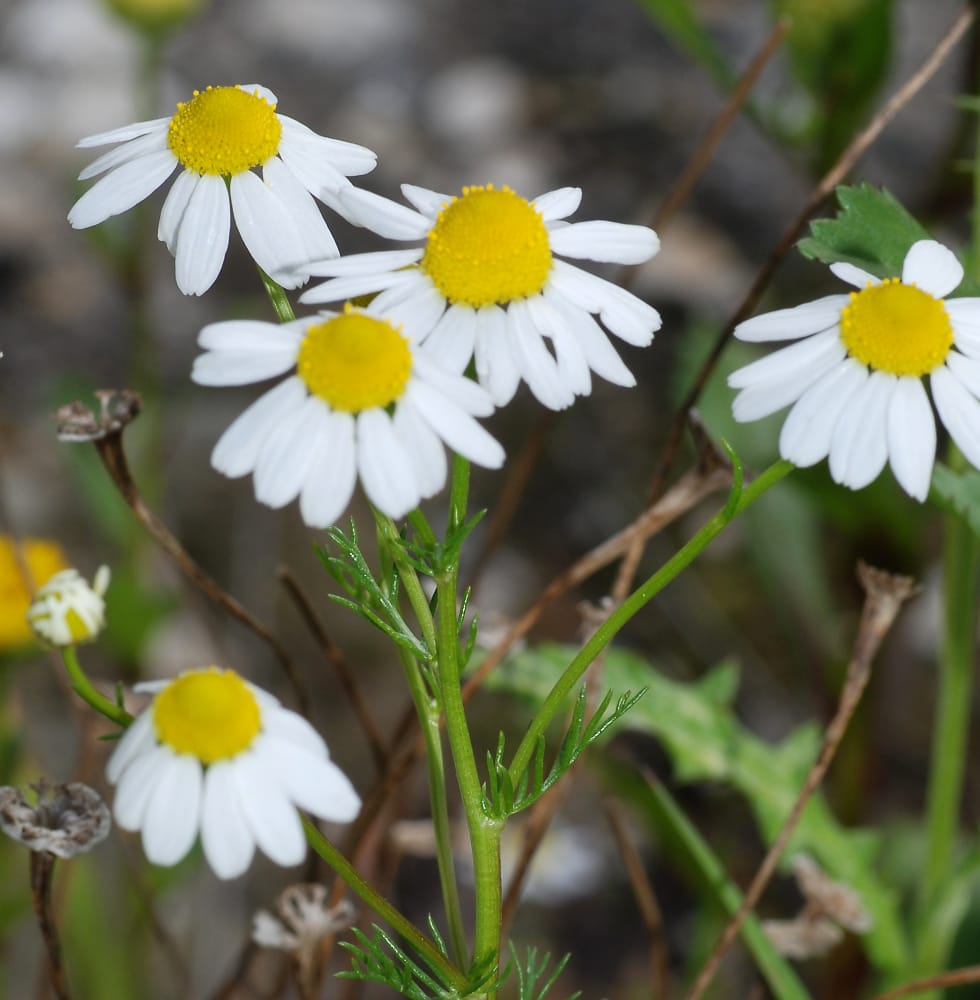
Chamomile: The Gentle Flower of Calm and Comfort
By Arash Bozorgmehr
What is Chamomile?
Chamomile (Matricaria chamomilla, also called Matricaria recutita) goes by names like German chamomile, wild chamomile, or scented mayweed; this fragrant yearly plant belongs to the daisy family. Originating in parts of southern Europe, eastern Europe, and western Asia, it now spreads widely through mild climates - often found growing in open land or beside trails.
Standing between 15 and 60 centimeters high, its delicate, feather-shaped leaves contrast with tiny flower heads that resemble daisies: white outer petals circle vivid yellow centers. Flowering lasts from late spring into early fall, while crushed parts give off a clear scent reminiscent of apples.
The dried flower tops get collected when blooms reach their fullest. In comparison, Roman chamomile (Chamaemelum nobile) grows closer to the ground, lives several years, yet shares common uses despite subtle chemical differences.
Potential Benefits of Chamomile: Centuries of Traditional Use
Chamomile ranks among history’s favorite plants - cited in old Egyptian, then Greek, later Roman writings - as tied to the sun deity Ra; also used for countless health issues.
Dioscorides together with Galen recommended it as a gentle tea to ease anxiety or trouble sleeping, while also serving as a digestive aid for gas, stomach pain, or feeling sick.
During medieval times, monks cultivated it in hospital gardens since it helped clean the air when scattered and treated wounds effectively.
People across Europe relied on potent chamomile brews to induce sweating during fevers, calm active kids gently, or use as a rinse against gum issues and sores inside the mouth.
For outer applications, it worked well as a cooling wrap for rashes, minor burns, or swollen veins. Within Spanish culture, it earned the name “manzanilla,” still trusted today at home for digestion problems and period discomfort.
Chamomile in Medicine: What the Science Truly Says
Current studies place chamomile near the top for well-supported herbal remedies.
Randomized trials repeatedly indicate oral chamomile eases general anxiety symptoms; it also enhances sleep, matching certain prescribed anti-anxiety drugs in strength though causing fewer side effects.
Applied on skin, chamomile ointments help wounds heal faster - including those from radiation burns or mouth sores during cancer treatment.
Strong evidence supports its use for calming gut spasms, helping conditions like IBS (irritable bowel syndrome), infant colic (via tea consumed by breastfeeding moms or minimal direct dosing), and sickness after surgery.
Its main component, apigenin, attaches to brain receptors tied to relaxation, accounting for gentle calming actions; meanwhile, α-bisabolol along with matricin lowers swelling.
The German Commission E, together with the European Medicines Agency, supports chamomile flower use for slight stomach issues, mouth or throat discomfort, also small skin irritations. When applied correctly, it's seen as both harmless and helpful.
You can plant chamomile seeds and create your own heavenly backyard pharmacy. Get your hands on a kit of 10 medicinal herbal seeds and boost the health of you and your loved ones today!
How Much Chamomile Should You Take?
Uniform amounts based on trials and recognized guidelines
Tea: Use 1–2 g - around 1–2 tsp - of dried blossoms. Pour 150 mL hot water over them; let sit 5–10 min. Drink this prep two to four times each day. If dealing with stress or trouble sleeping, take one cup half to a full hour before bedtime - or spread up to four servings through the day.
Capsules or tablets: Take 220–1,100 mg per day of an approved extract containing 1.2% apigenin.
Liquid tincture: ratio 1:5 in ethanol at 45–60% strength - best dosed at 3–5 mL, repeated thrice across the daylight hours.
Topical creams: use 3–10% chamomile extract multiple times a day. For children above age three, give half the adult amount instead. Infants with colic may receive 1–2 mL of diluted tea or through breastfeeding.
Who Should Avoid Chamomile?
People sensitive to plants like ragweed or daisies might react with stuffy noses, skin rashes, or - very seldom - serious allergic reactions.
During pregnancy, it’s best to keep use low, around 1 or 2 cups of tea each day; while lab tests hint at risks with large amounts, real-world evidence doesn’t support harm at regular levels.
If planning a procedure, skip chamomile products starting two weeks before, since they can relax the body slightly and possibly affect blood clotting.
Side Effects and Interactions of Chamomile
Side effects occur seldom, sometimes causing nausea or sleepiness at extremely high oral levels. However, allergic responses are still the main issue.
Chamomile could increase the impact of calming medicines like benzodiazepines or barbiturates, also alcohol, because it contains coumarin; however, strong reactions are rare when used in typical amounts.
In addition, it might reduce glucose a little - people with diabetes taking meds need to check their sugar regularly.
Key Takeaways
Chamomile (Matricaria chamomilla) stands out as a mild yellow blossom used for ages to ease nerves, aid digestion, or reduce inflammation.
Today’s studies confirm benefits for stress, sleep trouble, IBS, infant colic, and light skin issues - supporting its role among the most tested, low-risk botanicals we have.
The primary risk involves allergic reactions in people sensitive to ragweed, along with cautious use during pregnancy or prior to surgical procedures.
When dealing with digestive unease, trouble sleeping, or discomfort in the throat or on the skin, chamomile tea - or a consistent herbal preparation - offers reliable support, backed by research and long-standing practice as a natural remedy.